
Concentrates vs Ready-to-Use: Turn Refills into Real Savings

Today we explore concentrates versus ready-to-use products through clear calculations that translate refills into measurable savings and tangible waste reduction. We will compare cost per use, dilution yields, packaging impact, and logistics, then share stories, setup tips, and a practical calculator walkthrough so you can confidently choose what works best for your home, office, or facility without guesswork or marketing fog.

The Cost Equation Made Practical

Forget shelf price alone. What matters is cost per use, driven by dilution, yield, and actual coverage. We will convert concentrate ratios into liters of usable solution, factor bottle sizes, count sprayers, and expose hidden expenses like shipping water. By translating everything into price per task and per square meter cleaned, you will see when refills crush ready-to-use and when convenience still holds an edge, so your budget reflects reality rather than labels.

Price per Use, Not per Bottle

A 1 liter concentrate costing 15 dollars at a 1:32 ratio yields roughly 33 liters of solution, turning into pennies per spray bottle compared to multiple ready-to-use purchases. Shift your lens from the store sticker to real-world consumption across weeks. Then include triggers, towels, and dispenser losses to identify a truthful per-job figure you can track, compare, and reliably improve over time.

Dilution Ratios that Multiply Value

Ratios like 1:16, 1:32, or 1:128 convert into dramatic yield differences. A small concentrate can refill dozens of bottles with consistent performance if measured correctly. Over-concentrating wastes product and risks residues; under-dosing compromises results. Use simple measuring cups, color-coded caps, or proportioners to keep every refill consistent, protect surfaces, and ensure your actual dilution matches the cost savings you expected on paper.

Hidden Expenses You Can Finally See

Ready-to-use bottles often include higher shipping costs because you are paying to transport water and extra packaging. Concentrates reduce freight volume, storage space, and reordering frequency. Add these factors to your spreadsheet alongside retail price: shipping weight, delivery cadence, storage constraints, and disposal fees. The combined impact frequently tilts the balance toward refills, especially when usage is steady and predictable across months.

Packaging Mass and Reuse Cycles

Count how many ready-to-use bottles a single concentrate replaces at your chosen ratio, then multiply by bottle weight to estimate plastic avoided. Track sprayer reuse cycles to prevent frequent replacements, and standardize bottle labeling to extend lifespan. Consistent refilling reduces trash, procurement complexity, and breakage, while making storage safer. The result is cleaner shelves, lighter recycling bins, and clearer compliance documentation during audits or sustainability reporting.

Shipping Water versus Active Formulas

Transporting ready-to-use products moves mostly water, increasing emissions and delivery frequency. Concentrates pack the active ingredients tightly, enabling more cleaning power per pallet, per van, and per route. That efficiency lowers fuel use and shrinkwrap waste while optimizing receiving schedules. When you log deliveries per quarter and compare against output, you can quantify fewer miles, fewer boxes, and more uninterrupted productivity across teams managing busy spaces.

Less Trash, More Control at Home and Work

A refill workflow gives you control over container choice, labeling, and end-of-life handling. Standardized bottles, clear mix instructions, and local recycling guidance reduce confusion and contamination. Instead of trashing numerous empty ready-to-use containers, you refill a few durable ones repeatedly. This reduces bin overflows, keeps storage tidy, and offers visible wins employees notice and appreciate, reinforcing responsible habits through everyday, repeatable decisions everyone understands and supports.

Stories with Numbers: What Real Users Achieve
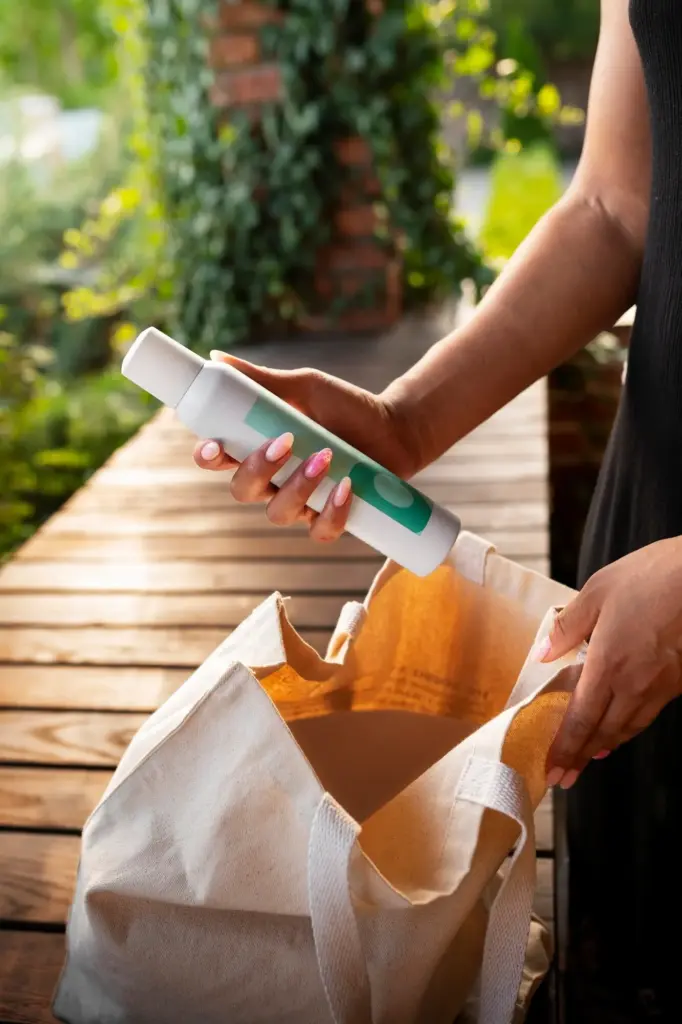
Switching from three ready-to-use sprays monthly to one small concentrate bottle cut plastic by roughly twenty containers over six months. A 1:32 dilution provided enough solution for kitchen degreasing, bathroom descaling, and weekly touch-ups. With labeled bottles and a measuring cup, consistency improved, reducing streaks on mirrors. The spreadsheet logged a 38 percent cost reduction and fewer delivery trips, while a single caddy now replaced a cluttered shelf of mismatched products.
A janitorial contractor replaced mixed ready-to-use brands with two concentrates: a neutral cleaner and sanitizer, both in proportioner-ready packaging. The team standardized dilution at 1:64 and 1:128, respectively, tracked sprayer reuse, and stored one backup jug per month. Result: predictable spend, 60 percent fewer empty bottles to discard, and more consistent results across shifts. The supervisor used QR-coded instructions to reduce training time and prevent costly over-concentration or ineffective under-dosing.
Front-of-house needed quick spray-and-wipe convenience, while the kitchen demanded heavy-duty degreasing. By dedicating color-coded bottles and laminated dilution charts, staff refilled safely during lulls. The café reported cutting monthly cleaning costs by almost half and freeing a storage shelf previously filled with ready-to-use cases. Waste audits showed significantly fewer plastic containers discarded, and delivery frequency dropped, opening space and time for food inventory that actually drives revenue and customer satisfaction.

Containers, Labels, and Color-Coding

Pick sturdy, chemical-compatible bottles that feel good in hand, then apply waterproof labels with product name, dilution, date, and safety notes. Color-code by task to avoid mix-ups, and standardize sprayers across teams. Keep spare caps, funnels, and markers together. These details prevent accidents, enable fast visual checks, and ensure new staff immediately recognize what goes where without guesswork, supporting safety, consistency, and long-term bottle reuse without premature replacement.

Safe Dilution without Guesswork

Eliminate estimation by using pre-measured caps, graduated mixing jugs, or wall-mounted proportioners. Post illustrated steps near the sink, include protective gear reminders, and list common mistakes to avoid. Train briefly, then verify by observing a live refill. Document corrective tips positively, focusing on clarity rather than blame. This approach reduces spills, protects surfaces, and maintains the expected cleaning performance that underpins both your cost savings and your credibility with stakeholders.

Measure, Log, and Celebrate Progress

Track refills, bottle lifespan, and reduced purchases of ready-to-use products using a simple sheet or shared spreadsheet. Add columns for dates, quantities, and any issues. Review monthly, highlight avoided packaging weight, and estimate saved dollars. Share results during standups or emails so the team sees impact. Recognition builds pride, sustains motivation, and turns small operational wins into cultural momentum that supports bigger sustainability goals and smarter purchasing decisions over time.

Performance Matters: Cleaning Power, Safety, and Experience

Cost and waste matter, but performance is non-negotiable. Evaluate soil type, surface material, dwell time, and fragrance tolerance. Check product data sheets, pH, and compatibility before switching. Try side-by-side tests, validating streaking, residue, and rinse needs. Capture feedback from real users, not just a manager. When concentrates match or exceed ready-to-use results, scale confidently. When they do not, adjust dilution, change product, or selectively keep ready-to-use where it truly excels.

DIY Spreadsheet: A Transparent Calculator You Own

Build a simple sheet that outlives product marketing cycles. Inputs include purchase price, concentrate size, dilution ratio, bottle volume, packaging weights, and delivery frequency. Formulas convert concentrate to usable solution, estimate price per refill, and calculate avoided packaging mass. Add scenario toggles for alternative ratios and brands. Finally, visualize results with a small chart to communicate wins quickly to decision-makers who care about both budgets and sustainability metrics they can verify independently.

Join the Conversation and Compare Notes

Your experience helps others choose wisely. Share what worked, what failed, and how you adapted dilution or labeling. Post before-and-after photos of storage shelves, describe your measurement tools, and report cost and packaging reductions from your spreadsheet. Ask questions, request product comparisons, and subscribe for future case studies, calculators, and hands-on guides. Together we build a practical library that makes smarter cleaning simpler, more affordable, and lighter on the planet.
Vemimavemonumu
Privacy Overview

This website uses cookies so that we can provide you with the best user experience possible. Cookie information is stored in your browser and performs functions such as recognising you when you return to our website and helping our team to understand which sections of the website you find most interesting and useful.