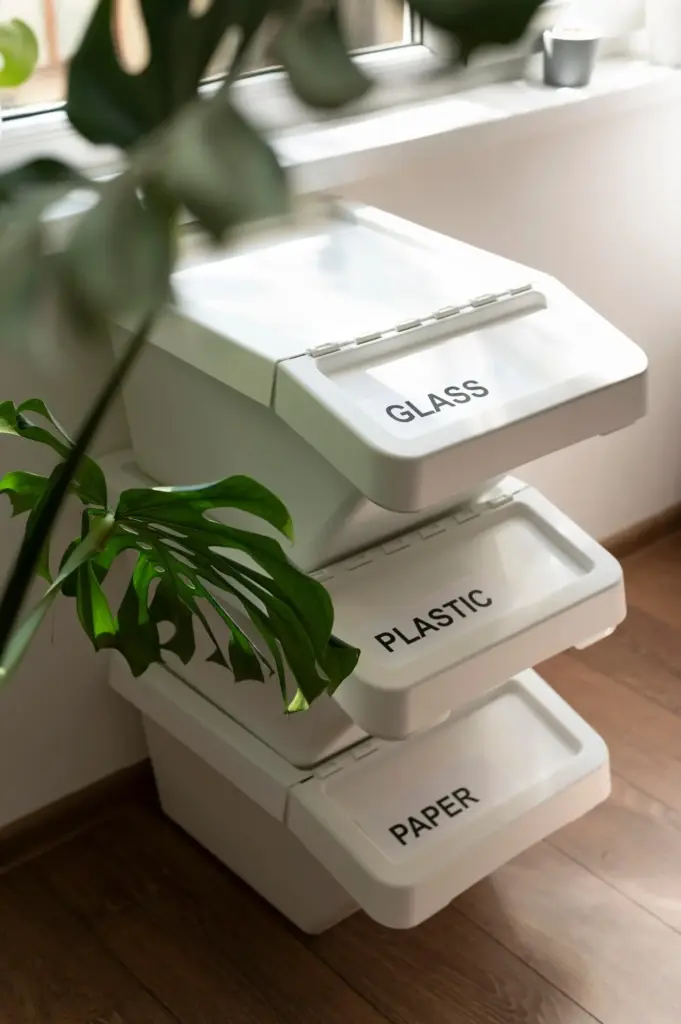
Create a Home Refill Station That Simplifies Everyday Living

Today we dive into setting up a home refill station for the kitchen, bath, and laundry, turning clutter into clarity. You’ll learn how to plan zones, choose containers, source bulk supplies, and build habits that save money, reduce waste, and deliver everyday convenience.

Plan the Space Like a Pro

Before buying a single dispenser, decide where your station will live and how you’ll move around it. Consider proximity to the kitchen sink, bathroom cabinets, and laundry machines, plus how containers travel between zones. Good planning eliminates spills, prevents clutter, and makes sustainable habits surprisingly effortless.

Material Choices That Matter

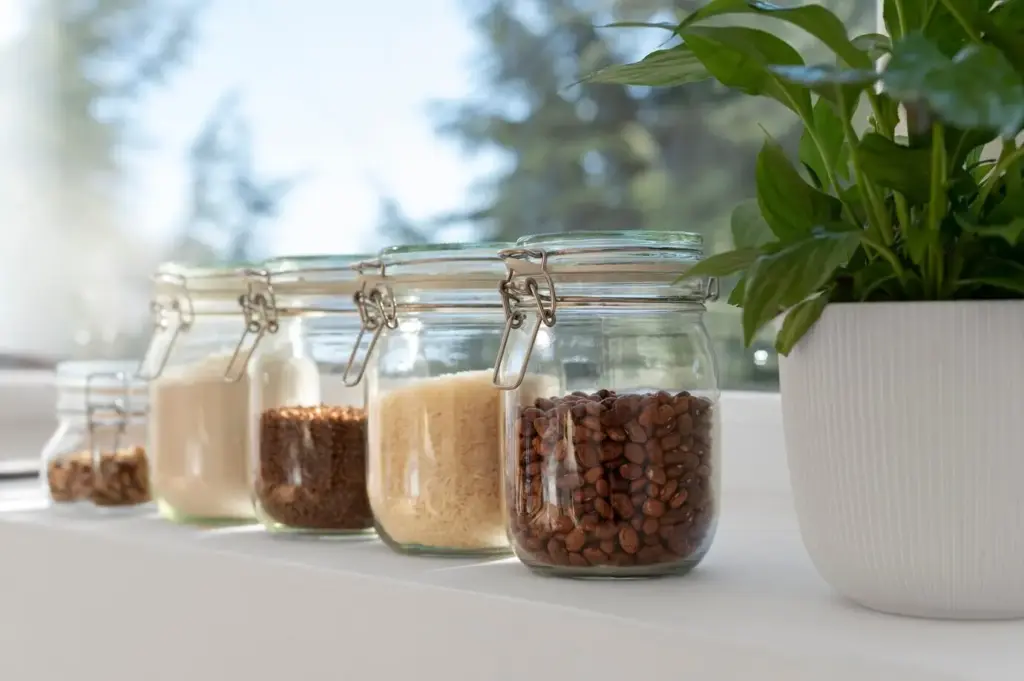
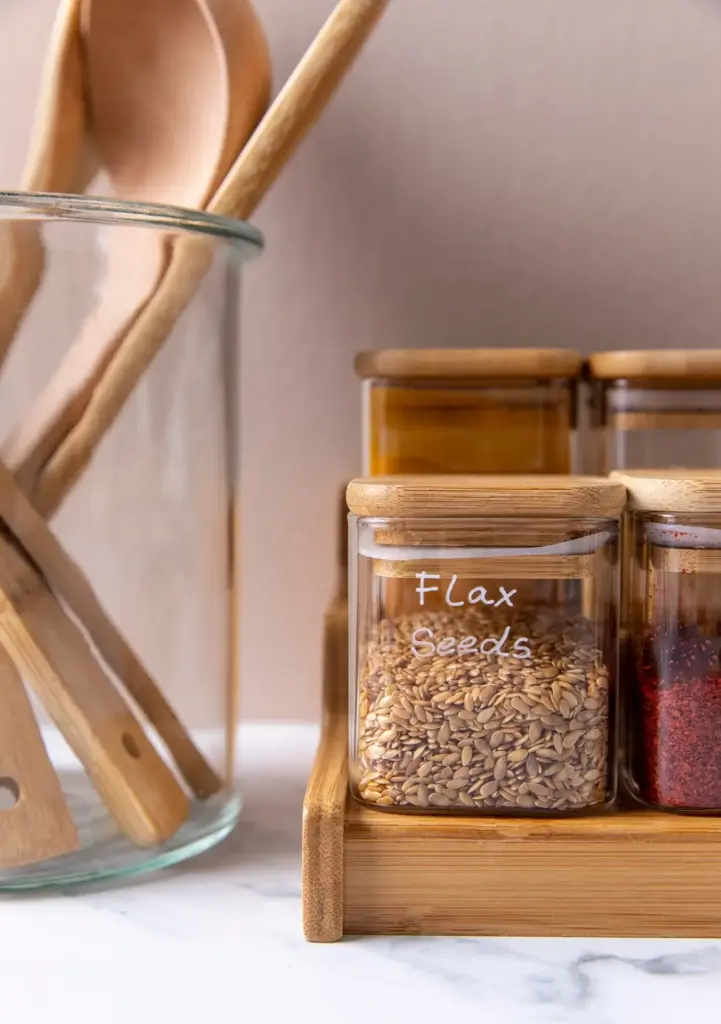
Glass offers clarity and chemical resistance, while stainless resists odors and UV. High‑quality HDPE or PET can be lighter and safer in busy households. Match soaps, detergents, vinegar, and peroxide with materials tested for compatibility, and replace any scratched or cloudy vessels promptly.

Perfect Sizes for Real Life

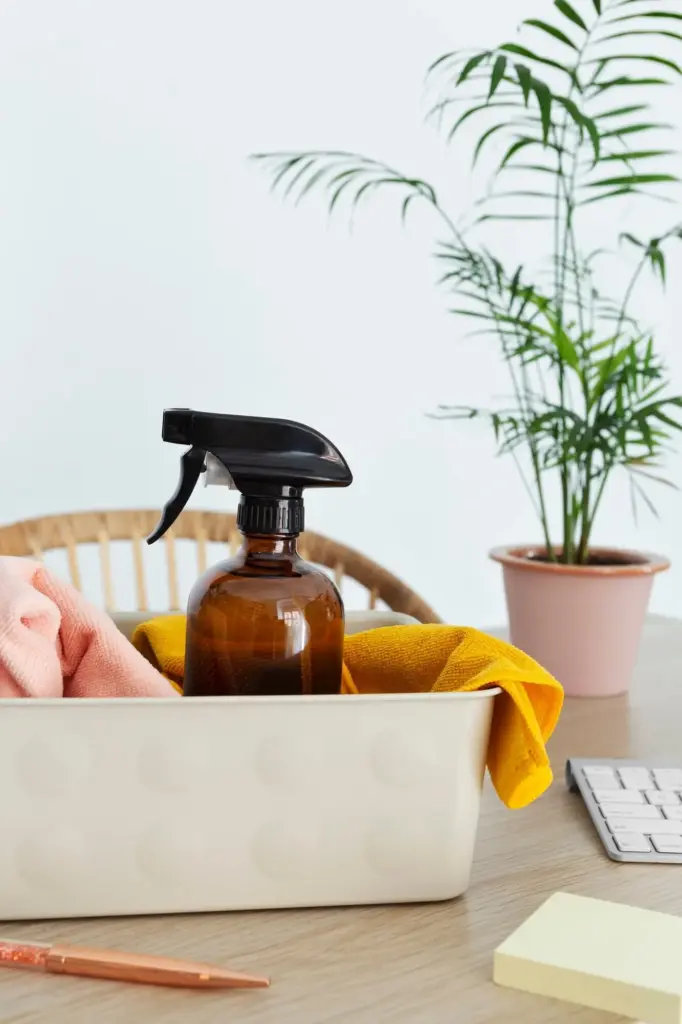
Select everyday dispensers that fit your hands and storage, then keep bulk reserves nearby in larger jugs. For kitchens, small pump bottles reduce mess. In baths, foaming tops stretch soap. For laundry, measured caps or taps prevent overuse and accidental spills.

Reliable Sources for Greener Refills

Refilling works best when supplies are predictable and ethical. Compare local bulk shops, co‑ops, and delivery services, study ingredients, and evaluate packaging return programs. Build relationships with suppliers who disclose formulas, honor certifications, and support community circularity through take‑back, concentration, or closed‑loop logistics.

Local Bulk and Co‑ops

Scout neighborhoods for refilleries, grocers with dispensers, or co‑ops that stock unscented bases. Bring your own clean containers, ask about surfactant sources, and compare cost by ounce. Many shops share dilution guides and seasonal specials, making consistency and savings feel effortless.

Concentrates and Mail‑In Options

Highly concentrated formulas reduce shipping impact and storage needs. Look for biodegradable ingredients, clear safety data sheets, and tap‑compatible caps. Some brands reclaim pouches or mail empty containers back for sterilization, turning your household into part of a scalable, responsible circular system.

Sanitize and Rotate

Use fragrance‑free detergent, hot water, and a food‑safe sanitizer when cleaning containers. Air‑dry fully upside down on a rack. Rotate older stock forward, note dates visibly, and set calendar reminders so nothing lingers unseen, loses potency, or surprises you mid‑chore.

Handle Sensitivities and Hazards

Separate vinegar, peroxide, and bleach routines to avoid dangerous reactions. Dedicate tools for allergen‑free products, and store fragrances sealed to prevent cross‑scenting. Post simple safety cards with first‑aid steps, and train everyone to wear gloves, close caps, and clean spills immediately.

Traceability Without Headaches

Keep a slim notebook or digital note with supplier names, lot numbers, dilution ratios, and refill dates. If a product underperforms or causes a reaction, you can trace it quickly, contact the vendor, and adjust your process without repeating mistakes.

Make the Numbers and Minutes Work

Sustainable routines must reward your wallet and schedule. Track startup costs, then watch savings grow as packaging waste falls. Batch refills, automate reminders, and streamline tools so weekly upkeep takes minutes, not hours, leaving you with calm shelves and predictable supplies.

Startup Budget Made Friendly

Begin with only what you will regularly use: dish soap, hand soap, all‑purpose cleaner, laundry detergent, and vinegar. Repurpose jars, buy pumps gradually, and compare secondhand shelving. Share your budget template with us, and we’ll send improvement tips and discounts from partners.

Track Savings and Payback

Log each refill’s volume, price, and avoided packaging. After a month, calculate the per‑use cost and compare against your old receipts. Most households see meaningful savings by quarter two, along with calmer pantries and fewer last‑minute, high‑stress store runs.

Design, Habits, and Household Buy‑In

People stick with systems that feel welcoming. Choose colors that match your home, add a pleasant scent only where invited, and place tools exactly where hands reach. Celebrate progress, invite feedback, and post simple checklists so guests and kids can succeed independently.

Vemimavemonumu
Privacy Overview

This website uses cookies so that we can provide you with the best user experience possible. Cookie information is stored in your browser and performs functions such as recognising you when you return to our website and helping our team to understand which sections of the website you find most interesting and useful.